granulo.site

Everything there is to know about the granulocyte.

Building the model…
Living model of the granulocyte: the cell. Zoom between the stages. Morphology after Borregaard N, Immunity 2010 (granule populations); Faurschou M and Borregaard N, Microbes Infect 2003 (granule release order); van Grinsven E et al., Nat Rev Immunol 2026 (segmented nucleus).

If there is a primary source on the granulocyte, I have read it. If there are three, I have cross-referenced them. If there are fewer than three, I will tell you that first. What is the question?

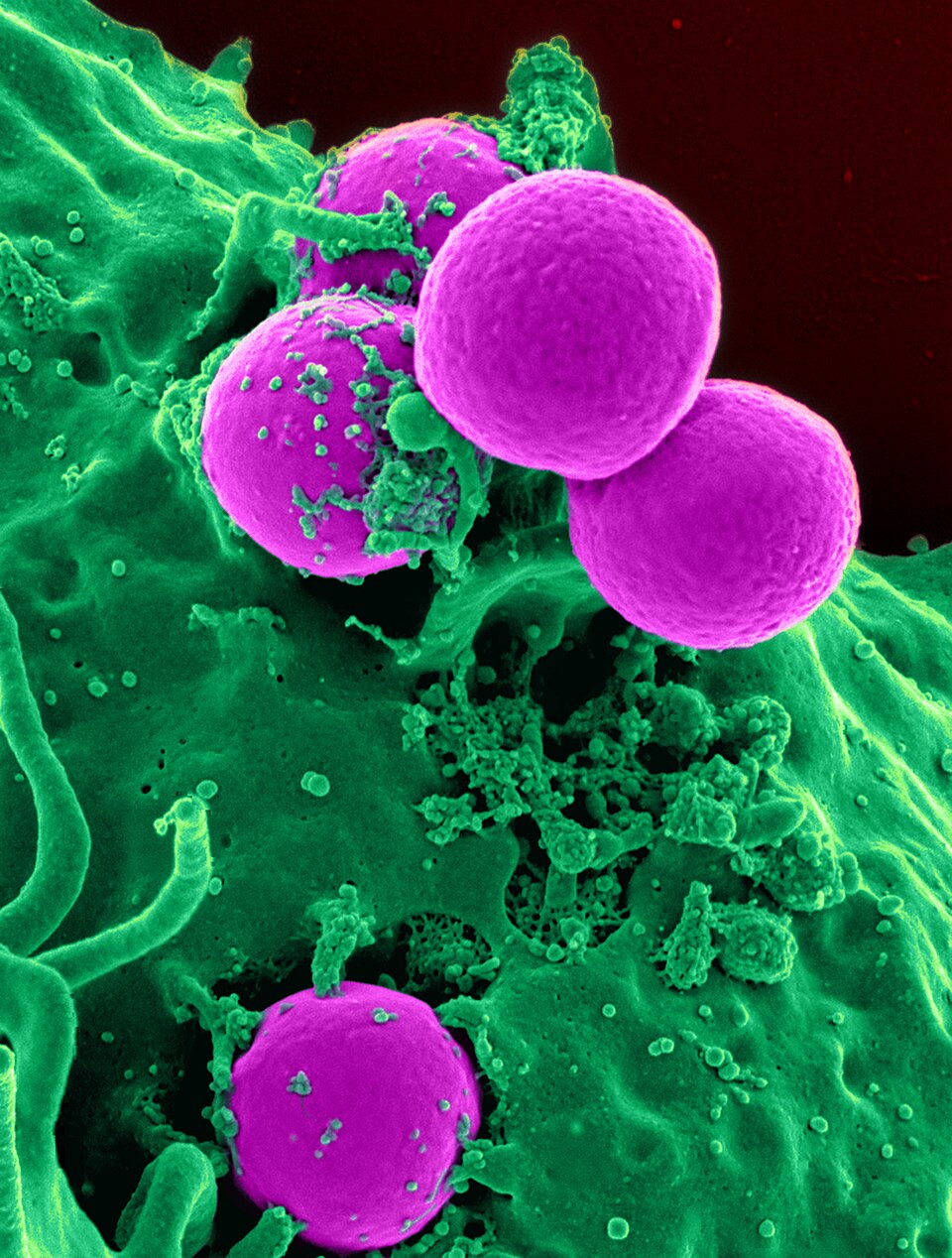
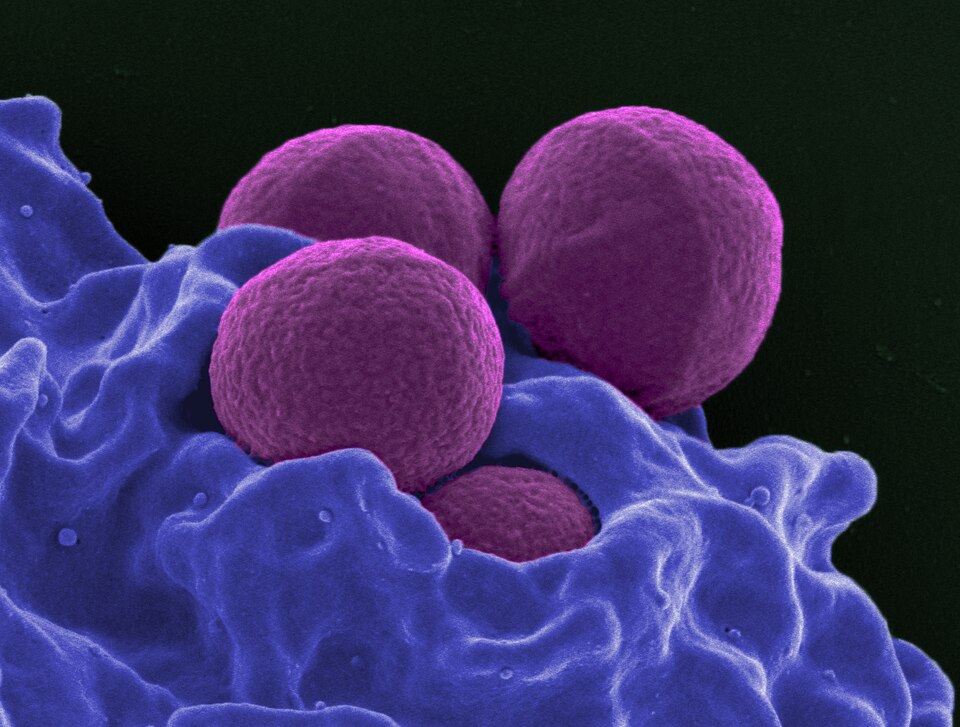
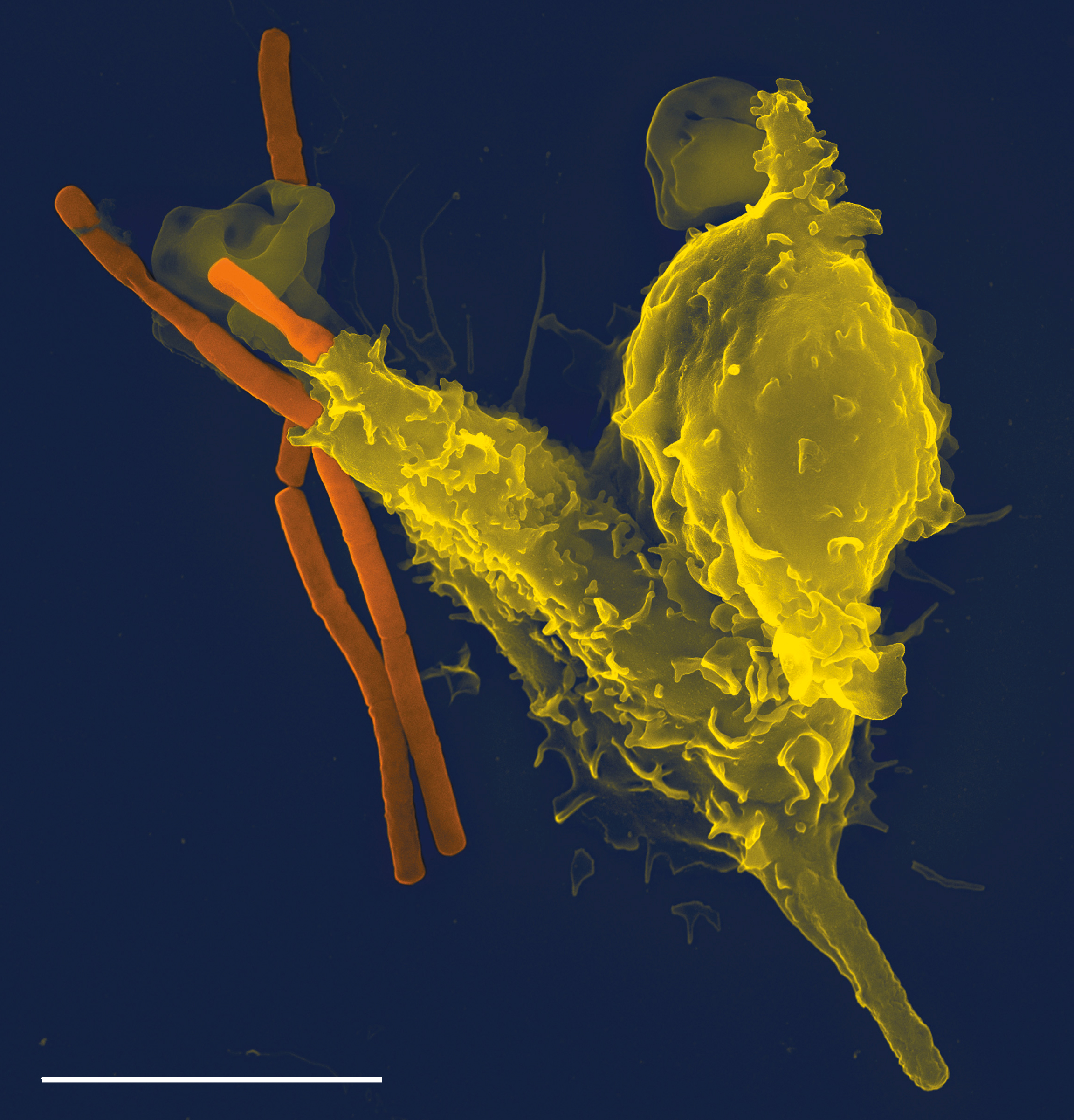
The granulocyte is the white blood cell named for the granules that pack its cytoplasm, and it comes in three kinds: the neutrophil, the eosinophil, and the basophil. All three are made in the bone marrow and carry a lobed nucleus. The neutrophil is the most numerous and the first to reach an infection, where it swallows bacteria, floods them with oxidants and granule enzymes, and can cast out nets of its own DNA to trap them. The eosinophil targets parasites and drives allergic inflammation. The basophil, the rarest, releases histamine when IgE sounds the alarm. Borregaard N, Immunity 2010: https://pubmed.ncbi.nlm.nih.gov/21094463/

Latest Research

All Latest Research →
2026-09-09 · Blood 2020
Neutrophil extracellular traps contribute to immunothrombosis in COVID-19 acute respiratory distress syndrome.

Middleton et al. NETs and immunothrombosis in COVID-19 ARDS.

2026-09-09 · Science 2016
Trained immunity: A program of innate immune memory in health and disease.

Netea et al. general review of innate immune memory; not specific to granulocytes.

2026-09-09 · Cancer Cell 2009
Polarization of tumor-associated neutrophil phenotype by TGF-beta: "N1" versus "N2" TAN.

Fridlender et al. propose TGF-beta driven N1 and N2 tumor-associated neutrophil states in mice; framework contested.

2026-09-09 · Science 2019
Protein crystallization promotes type 2 immunity and is reversible by antibody treatment.

Persson et al. Charcot-Leyden crystals of galectin-10 promote type 2 inflammation; antibodies dissolve them.

2026-09-10 · Allergy 2026
Non-Releasers in the Basophil Activation Test: A Roadmap for the Correct Reporting and Interpretation.

Ebo et al. on reporting basophil activation test results when basophils do not respond.

2026-09-09 · Frontiers in Immunology 2026
Editorial: The role of neutrophil extracellular traps formation in tumor microenvironment, from basic research to clinical applications

Editorial introducing a research topic on NETs in the tumor microenvironment.

2026-09-10 · Hematology/Oncology Clinics of North America 2013
Chronic granulomatous disease.

Holland review of CGD: NADPH oxidase defects, infections, and management.

2026-09-10 · Blood 2015
How I treat hypereosinophilic syndromes.

Klion clinical approach to HES diagnosis, subtyping, and treatment.

2026-09-09 · New England Journal of Medicine 2003
A tyrosine kinase created by fusion of the PDGFRA and FIP1L1 genes as a therapeutic target of imatinib in idiopathic hypereosinophilic syndrome.

Cools et al. identified the FIP1L1-PDGFRA fusion in HES and showed it is the imatinib target.

2026-09-10 · Annals of the New York Academy of Sciences 2012
Leukocyte adhesion deficiencies.

Hanna and Etzioni review of LAD types, in which neutrophils cannot adhere and leave the blood.

2026-09-10 · Journal of Experimental Medicine 1999
Neutrophil-specific granule deficiency results from a novel mutation with loss of function of the transcription factor CCAAT/enhancer binding protein epsilon.

Lekstrom-Himes et al. traced specific granule deficiency to loss of C/EBP epsilon.

2026-09-09 · Molecular Oncology 2026
Hijacking emergency granulopoiesis: Neutrophil ontogeny and reprogramming in cancer.

Marinescu et al. review how tumors reshape emergency granulopoiesis and neutrophil programming.

2026-09-09 · Lancet 2012
Mepolizumab for severe eosinophilic asthma (DREAM): a multicentre, double-blind, placebo-controlled trial.

Pavord et al. anti-IL-5 mepolizumab cut exacerbations in severe eosinophilic asthma.

2026-09-10 · New England Journal of Medicine 2014
Mepolizumab treatment in patients with severe eosinophilic asthma.

Ortega et al. MENSA trial of intravenous and subcutaneous mepolizumab in severe eosinophilic asthma.

2026-09-09 · New England Journal of Medicine 1991
Reduction by granulocyte colony-stimulating factor of fever and neutropenia induced by chemotherapy in patients with small-cell lung cancer.

Crawford et al. G-CSF reduced febrile neutropenia after chemotherapy.

2026-09-09 · New England Journal of Medicine 2022
Dupilumab in Adults and Adolescents with Eosinophilic Esophagitis.

Dellon et al. anti-IL-4 receptor alpha dupilumab improved histologic and symptom outcomes in EoE.

2026-09-10 · ERJ Open Res 2026
Effectiveness of mepolizumab on mucus plugs and clinical outcomes in severe eosinophilic asthma with and without coexisting bronchiectasis: a prospective pilot study.

Campisi et al. pilot study of mepolizumab on mucus plugs in severe eosinophilic asthma, with and without bronchiectasis.

2026-09-10 · International Immunology 2009
IL-5- and eosinophil-mediated inflammation: from discovery to therapy.

Kouro and Takatsu review IL-5 and its receptor as the central axis of eosinophil production and survival.

2026-09-10 · Journal of Experimental Medicine 1994
Eotaxin: a potent eosinophil chemoattractant cytokine detected in a guinea pig model of allergic airways inflammation.

Jose et al. discovery of eotaxin as a selective eosinophil chemoattractant.

2026-09-09 · Nature Reviews Immunology 2007
Getting to the site of inflammation: the leukocyte adhesion cascade updated.

Ley et al. review of capture, rolling, arrest, crawling, and transmigration.

2026-09-09 · Annual Review of Immunology 2005
How neutrophils kill microbes.

Segal review of the NADPH oxidase and how the phagocytic vacuole kills microbes.

2026-09-09 · Journal of Experimental Medicine 2010
PAD4 is essential for antibacterial innate immunity mediated by neutrophil extracellular traps.

Li et al. PAD4-deficient neutrophils cannot form NETs, and the mice are more susceptible to bacterial infection.

2026-09-09 · Nature Reviews Immunology 2007
New developments in FcepsilonRI regulation, function and inhibition.

Kraft and Kinet review of the high-affinity IgE receptor and its signaling in basophils and mast cells.

Key Publications

All Key Publications →
2026-09-09 · Science 2004
Neutrophil extracellular traps kill bacteria.

Brinkmann et al. first description of NETs: extracellular chromatin with granule proteins that traps and kills bacteria.

2026-09-09 · Immunity 2010
Neutrophils, from marrow to microbes.

Borregaard review of neutrophil production, granule populations and their mobilization, and killing mechanisms.

2026-09-09 · Annual Review of Immunology 2006
The eosinophil.

Rothenberg and Hogan review of eosinophil development, IL-5 and eotaxin biology, granule proteins, and eosinophilic disease.

2026-09-10 · Nature Reviews Immunology 2013
Protective and pathological roles of mast cells and basophils.

Voehringer review separating basophil and mast cell functions in host defense and allergy.

2026-09-09 · Blood 2010
In vivo labeling with 2H2O reveals a human neutrophil lifespan of 5.4 days.

Pillay et al. deuterium labeling in healthy volunteers gave a circulating neutrophil lifespan of 5.4 days, far longer than older estimates.

2026-09-09 · Nature Reviews Immunology 2013
Neutrophil recruitment and function in health and inflammation.

Kolaczkowska and Kubes review of the recruitment cascade, effector functions, and resolution.
Substances tested 10

All substances →
Filgrastim (recombinant methionyl G-CSF) granulocyte colony-stimulating factor
acts on G-CSF receptor on neutrophil progenitors and mature neutrophils
Reduced chemotherapy-induced febrile neutropenia: at least one episode of fever with neutropenia in 40 percent of the G-CSF group versus 77 percent on placebo (p less than 0.001). Median duration of grade IV neutropenia (ANC under 0.5 x 10^9 per L) was one day with G-CSF versus six days with placebo.
dose: beginning day 4 through day 17 of a 21-day cycle; milligram dose not stated in the abstract  · human, 211 patients with small-cell lung cancer  · multicentre randomised double-blind placebo-controlled trial  · Crawford J et al. 1991, N Engl J Med  · source
Mepolizumab anti-interleukin-5 monoclonal antibody
acts on interleukin-5, the cytokine driving eosinophil production and survival
Reduced clinically significant exacerbations in severe eosinophilic asthma from 2.40 per patient per year on placebo to 1.24 at 75 mg (48 percent reduction, 95 percent CI 31 to 61, p less than 0.0001), 1.46 at 250 mg (39 percent reduction) and 1.15 at 750 mg (52 percent reduction, 36 to 64, p less than 0.0001).
dose: 75 mg, 250 mg or 750 mg intravenous, 13 infusions at 4-week intervals  · human, 621 patients aged 12 to 74  · multicentre double-blind placebo-controlled trial (DREAM), 81 centres in 13 countries  · Pavord ID et al. 2012, Lancet  · source
Mepolizumab anti-interleukin-5 monoclonal antibody
acts on interleukin-5
Exacerbation rate reduced 47 percent (95 percent CI 29 to 61) with intravenous and 53 percent (37 to 65) with subcutaneous dosing versus placebo (p less than 0.001 for both). Exacerbations needing emergency care or hospitalisation fell 32 percent (intravenous) and 61 percent (subcutaneous). FEV1 at week 32 rose 100 mL more than placebo on the intravenous arm.
dose: 75 mg intravenous or 100 mg subcutaneous every 4 weeks for 32 weeks  · human, 576 patients  · randomised double-blind double-dummy trial (MENSA)  · Ortega HG et al. 2014, N Engl J Med  · source
Benralizumab anti-interleukin-5 receptor alpha monoclonal antibody
acts on IL-5 receptor alpha on eosinophils; depletes eosinophils by antibody-dependent cell-mediated cytotoxicity
In patients with blood eosinophils at least 300 cells per uL, the annual exacerbation rate over 48 weeks fell versus placebo on both schedules: rate ratio 0.55 (95 percent CI 0.42 to 0.71, p less than 0.0001) every 4 weeks and 0.49 (0.37 to 0.64, p less than 0.0001) every 8 weeks.
dose: 30 mg subcutaneous every 4 weeks, or every 8 weeks after three loading doses at 4-week intervals, for 48 weeks  · human, 1205 randomised patients aged 12 to 75  · randomised double-blind placebo-controlled phase 3 trial (SIROCCO), 374 sites in 17 countries  · Bleecker ER et al. 2016, Lancet  · source
Imatinib tyrosine kinase inhibitor
acts on FIP1L1-PDGFRalpha fusion kinase; 50 percent inhibitory concentration 3.2 nM
Nine of 11 patients with hypereosinophilic syndrome had responses lasting more than three months with the eosinophil count returning to normal. The FIP1L1-PDGFRA fusion, from an interstitial deletion on chromosome 4q12, was found in 9 of 16 patients and in 5 of the 9 durable responders. A T674I mutation at relapse confirmed the fusion kinase as the drug target.
dose: not stated in the abstract  · human, 11 patients treated  · clinical treatment series with molecular characterisation  · Cools J et al. 2003, N Engl J Med  · source
Dupilumab anti-interleukin-4 receptor alpha monoclonal antibody
acts on IL-4 receptor alpha, blocking IL-4 and IL-13 signalling upstream of eosinophil recruitment
Histologic remission in eosinophilic esophagitis reached 60 percent (25 of 42) on weekly dupilumab versus 5 percent (2 of 39) on placebo in Part A (difference 55 percentage points, 95 percent CI 40 to 71, p less than 0.001), and 59 percent weekly versus 6 percent placebo in Part B.
dose: 300 mg subcutaneous weekly, or 300 mg every 2 weeks, to week 24  · human, patients aged 12 and over  · three-part randomised phase 3 trial  · Dellon ES et al. 2022, N Engl J Med  · source

Public datasets 7

GSE193117 bulk RNA-seq, 94 samples Homo sapiens
RNA-seq analysis of resting and inflamed human neutrophils
Grieshaber-Bouyer R et al. 2022, Ann Rheum Dis  · paper  · public at NCBI GEO; NCBI data are free to use with attribution, no licence text of its own  · accession resolved 2026-09-12 via eutils esummary
GSE165276 single-cell RNA-seq, 7 samples Mus musculus
Single-cell RNA sequencing of healthy and inflamed murine neutrophils
Grieshaber-Bouyer R et al. 2021, Nat Commun (the neutrotime signature)  · paper  · public at NCBI GEO  · accession resolved 2026-09-12 via eutils esummary
GSE194366 expression profiling, 9 samples Homo sapiens
Gene expression pattern of primed human neutrophils
Neuenfeldt F et al. 2022, Cell Rep (pro-NETotic neutrophils via TNFR2)  · paper  · public at NCBI GEO  · accession resolved 2026-09-12 via eutils esummary
GSE127465 single-cell RNA-seq Homo sapiens; Mus musculus
Single cell transcriptomics of human and mouse lung cancers reveals conserved myeloid populations across individuals and species
Zilionis R et al. 2019, Immunity  · paper  · public at NCBI GEO  · accession resolved 2026-09-12 via eutils esummary
GSE249011 bulk and single-cell RNA-seq Homo sapiens; Mus musculus
Bulk and single-cell RNA sequencing of human and murine eosinophils
Jorssen J et al. 2024, Immunity (eosinophil development, single-cell proteomics and transcriptomics)  · paper  · public at NCBI GEO  · accession resolved 2026-09-12 via eutils esummary
GSE338556 single-cell RNA-seq Mus musculus
Single-cell RNA sequencing of mouse peripheral blood neutrophils before and one day after corneal injury
no linked publication in the GEO record on the date resolved  · public at NCBI GEO  · accession resolved 2026-09-12 via eutils esummary
GSE337147 non-coding RNA profiling by high throughput sequencing Homo sapiens
small-RNA-seq of nine primary human cell types exposed in vitro to methylprednisolone
no linked publication in the GEO record on the date resolved; neutrophils are among the nine cell types  · public at NCBI GEO  · accession resolved 2026-09-12 via eutils esummary

Digital twin

Open the twin →
Total granule volume: 29.5 um3, between 0.96 and 180
Total granule volume 29.5 um3 29.5 to 29.5
Azurophilic fraction of granule volume 76.6 % 76.6 to 76.6
Mobilisation-first fraction 4.26 % 4.26 to 4.26
Open the twin →

Granulo Knowledge Base: Granulocytes

Maintained by Granulo. Every Source cell links to PubMed. A claim whose only source is a textbook, or whose citation could not be verified, is marked thin. No em dashes.

History of Discovery

Claim Paul Ehrlich used aniline dyes in the late 1870s to tell the three granulocytes apart by how their granules take up acidic, basic, and neutral dyes, which gave us the names eosinophil, basophil, and neutrophil. · Confidence high
Kay AB, Microbiol Spectr 2016: https://pubmed.ncbi.nlm.nih.gov/27726791/
Claim Elie Metchnikoff discovered phagocytosis by mobile cells and founded cellular immunity; he shared the 1908 Nobel Prize with Ehrlich. · Confidence high
Claim Neutrophil extracellular traps were first described in 2004, adding a third killing mechanism to phagocytosis and degranulation. · Confidence high
Brinkmann V et al., Science 2004: https://pubmed.ncbi.nlm.nih.gov/15001782/
Claim Leder introduced the chloroacetate esterase stain for neutrophil lineage cells and mast cells in paraffin sections in 1964. · Confidence high
Leder LD, Klin Wochenschr 1964: https://pubmed.ncbi.nlm.nih.gov/14233286/

Function: How the Neutrophil Kills

Claim Neutrophils kill by phagocytosis, by releasing granule contents, and by casting out NETs. · Confidence high
Borregaard N, Immunity 2010: https://pubmed.ncbi.nlm.nih.gov/21094463/
Claim The NADPH oxidase delivers electrons into the phagocytic vacuole to make superoxide; the vacuole is where microbes are killed. · Confidence high
Segal AW, Annu Rev Immunol 2005: https://pubmed.ncbi.nlm.nih.gov/15771570/
Claim Myeloperoxidase from azurophilic granules turns hydrogen peroxide into hypochlorous acid and is a front-line defender against ingested microbes. · Confidence high
Klebanoff SJ et al., J Leukoc Biol 2013: https://pubmed.ncbi.nlm.nih.gov/23066164/
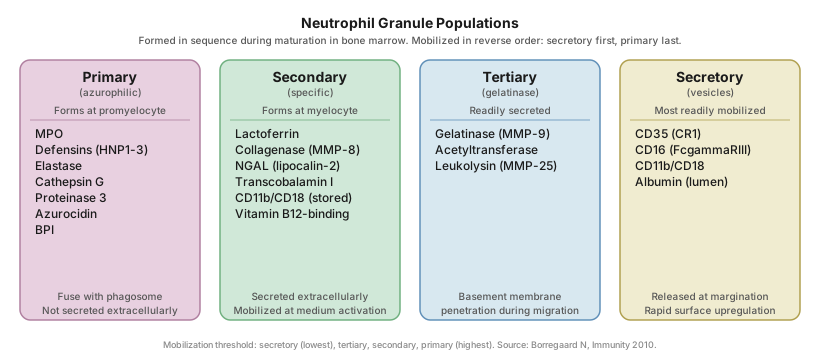
Claim Granule compartments are released in a fixed order: secretory vesicles most easily, then gelatinase granules, then specific granules, with azurophilic granules last. · Confidence high
Faurschou M and Borregaard N, Microbes Infect 2003: https://pubmed.ncbi.nlm.nih.gov/14613775/
Claim Deficiency of alpha-1 antitrypsin, the main inhibitor of neutrophil elastase, leads to emphysema. · Confidence high
Stoller JK and Aboussouan LS, Am J Respir Crit Care Med 2012: https://pubmed.ncbi.nlm.nih.gov/21960536/
Claim Human neutrophils express functional Toll-like receptors that modulate their responses. · Confidence high
Hayashi F et al., Blood 2003: https://pubmed.ncbi.nlm.nih.gov/12829592/

Function: Eosinophil and Basophil

Claim Eosinophils are shaped by IL-5 and eotaxin and act in helminth defense and allergic disease. · Confidence high
Rothenberg ME and Hogan SP, Annu Rev Immunol 2006: https://pubmed.ncbi.nlm.nih.gov/16551246/
Claim IL-5 and its receptor are the central axis of eosinophil production and survival, and the target of anti-eosinophil therapy. · Confidence high
Kouro T and Takatsu K, Int Immunol 2009: https://pubmed.ncbi.nlm.nih.gov/19819937/
Claim Eotaxin was discovered as a potent, selective eosinophil chemoattractant in allergic airway inflammation. · Confidence high
Jose PJ et al., J Exp Med 1994: https://pubmed.ncbi.nlm.nih.gov/7509365/
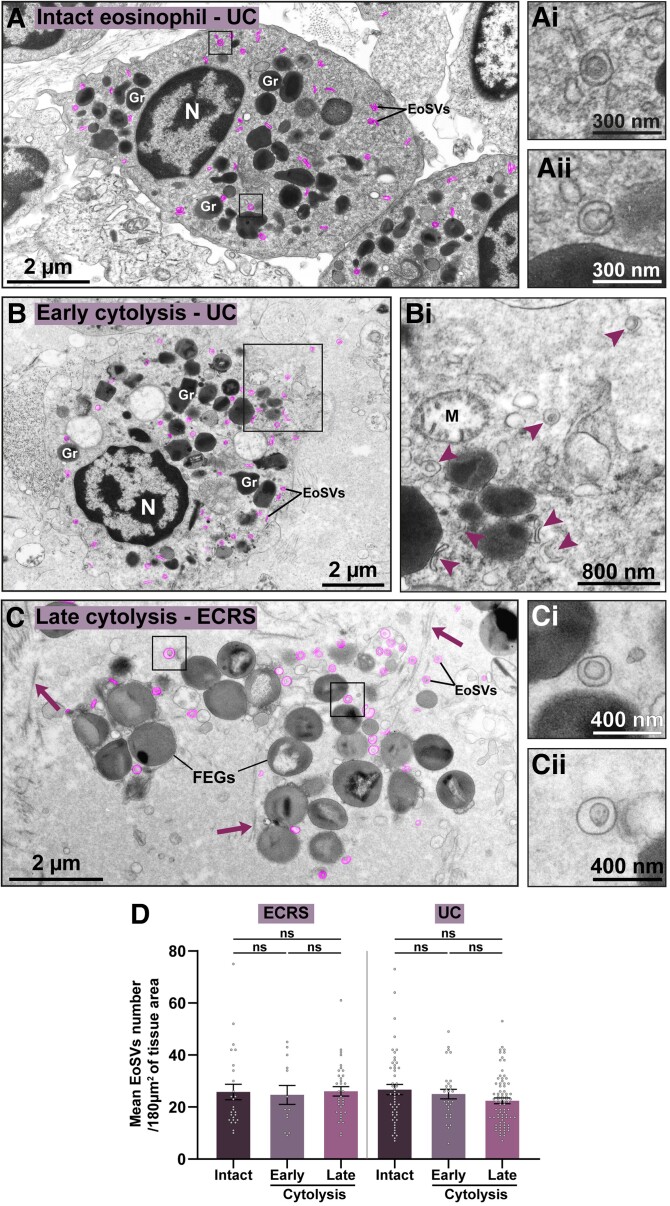
Claim Eosinophils release granule contents by several routes, including piecemeal degranulation. · Confidence moderate
Almas S et al., Cells 2026: https://pubmed.ncbi.nlm.nih.gov/42439685/
Claim Eosinophil peroxidase preferentially uses bromide to make halogenating oxidants. · Confidence high
Mayeno AN et al., J Biol Chem 1989: https://pubmed.ncbi.nlm.nih.gov/2538427/
Claim Basophils and mast cells share IgE-driven degranulation but have distinct protective and pathological roles. · Confidence high
Voehringer D, Nat Rev Immunol 2013: https://pubmed.ncbi.nlm.nih.gov/23558889/
Claim Basophils help initiate allergen-induced Th2 responses in mice. · Confidence moderate
Sokol CL et al., Nat Immunol 2008: https://pubmed.ncbi.nlm.nih.gov/18300366/
Claim IgE bound to FcepsilonRI is cross-linked by allergen, triggering degranulation of basophils and mast cells. · Confidence high
Kraft S and Kinet JP, Nat Rev Immunol 2007: https://pubmed.ncbi.nlm.nih.gov/17438574/
Claim Allergic inflammation develops through early IgE-mediated mediator release followed by late-phase and chronic responses. · Confidence high
Galli SJ et al., Nature 2008: https://pubmed.ncbi.nlm.nih.gov/18650915/
Claim Basophil and mast cell granules contain and secrete histamine. · Confidence high
Dvorak AM, Prog Histochem Cytochem 1998: https://pubmed.ncbi.nlm.nih.gov/10319376/

Neutrophil Extracellular Traps

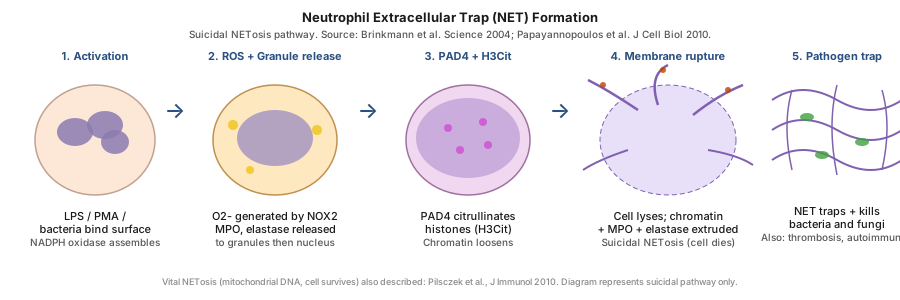
Claim NETs are extracellular chromatin decorated with granule proteins that trap and kill bacteria. · Confidence high
Brinkmann V et al., Science 2004: https://pubmed.ncbi.nlm.nih.gov/15001782/
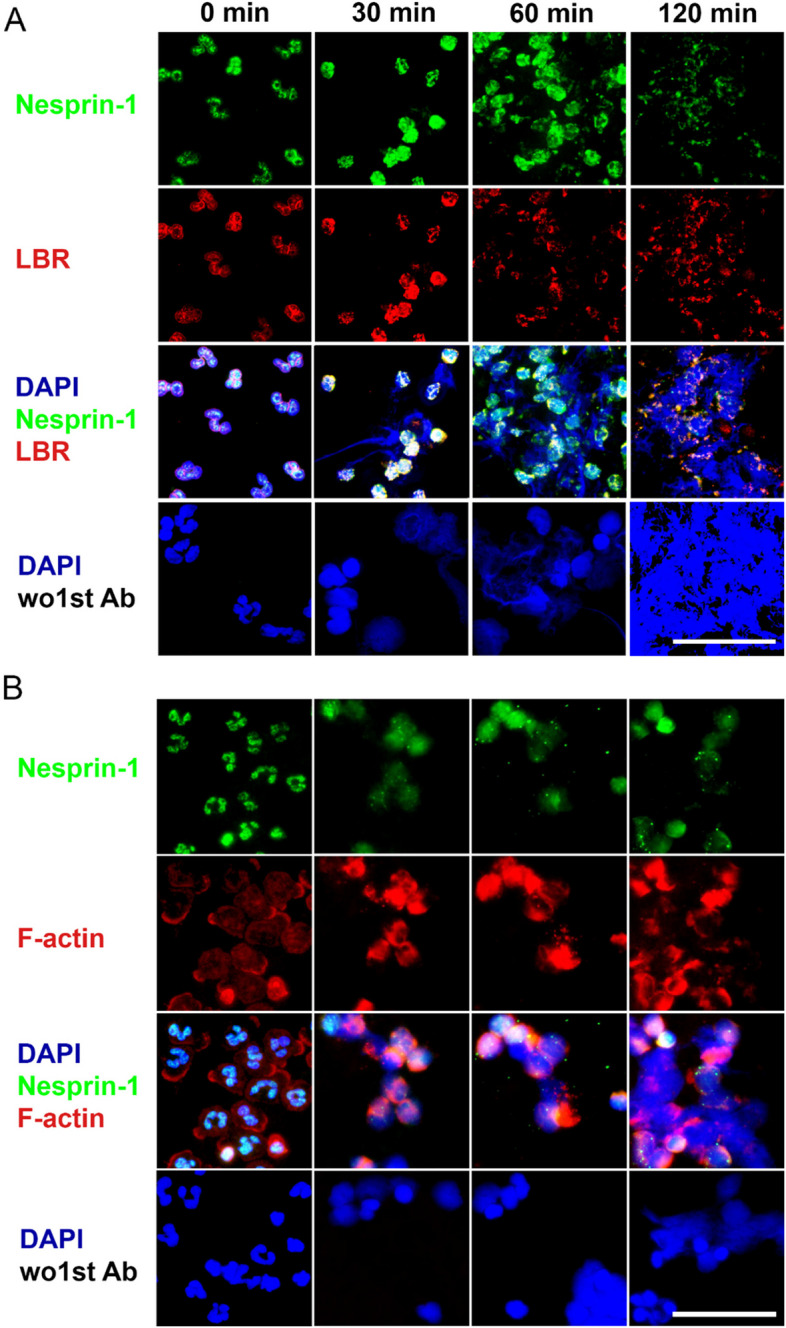
Claim Neutrophil elastase and myeloperoxidase move to the nucleus and drive chromatin decondensation during NET formation. · Confidence high
Papayannopoulos V et al., J Cell Biol 2010: https://pubmed.ncbi.nlm.nih.gov/20974816/
Claim PAD4 is essential for NET formation and for NET-mediated antibacterial defense in mice. · Confidence high
Li P et al., J Exp Med 2010: https://pubmed.ncbi.nlm.nih.gov/20733033/
Claim Neutrophils can form NETs rapidly in response to Staphylococcus aureus by a route distinct from the slow lytic pathway. · Confidence moderate
Pilsczek FH et al., J Immunol 2010: https://pubmed.ncbi.nlm.nih.gov/21098229/
Claim PAD4-dependent NETs are critical for deep vein thrombosis in mice. · Confidence high
Martinod K et al., PNAS 2013: https://pubmed.ncbi.nlm.nih.gov/23650392/
Claim NETs contribute to immunothrombosis in COVID-19 ARDS. · Confidence high
Middleton EA et al., Blood 2020: https://pubmed.ncbi.nlm.nih.gov/32597954/
Claim In a subset of SLE patients, serum fails to degrade NETs, and this is associated with lupus nephritis. · Confidence high
Hakkim A et al., PNAS 2010: https://pubmed.ncbi.nlm.nih.gov/20439745/

Neutrophil Recruitment and Lifespan

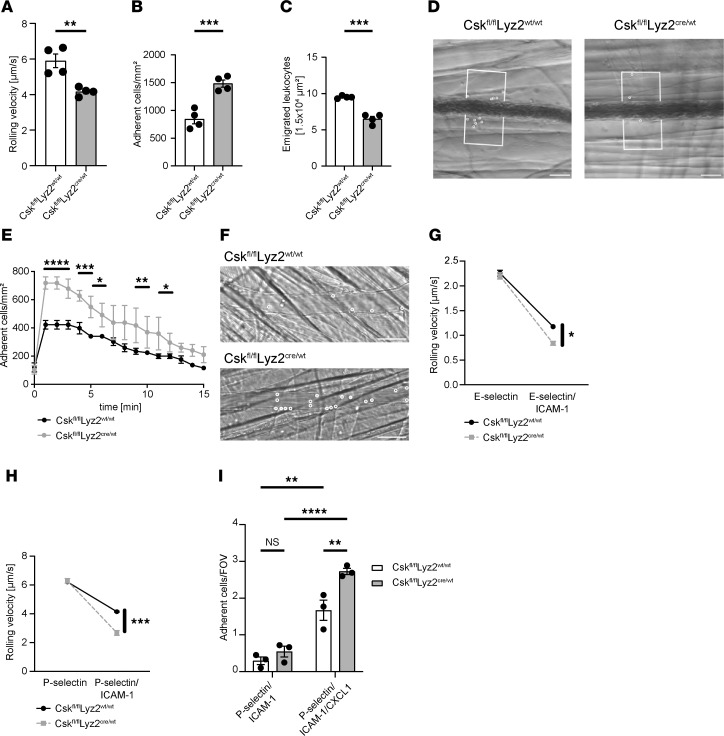
Claim Leukocytes reach inflamed tissue through capture, rolling, slow rolling, arrest, crawling, and transmigration. · Confidence high
Ley K et al., Nat Rev Immunol 2007: https://pubmed.ncbi.nlm.nih.gov/17717539/
Claim Recruitment and effector function are coordinated with resolution of inflammation. · Confidence high
Kolaczkowska E and Kubes P, Nat Rev Immunol 2013: https://pubmed.ncbi.nlm.nih.gov/23435331/
Claim Deuterium labeling in healthy people gave a circulating neutrophil lifespan of 5.4 days. · Confidence moderate
Pillay J et al., Blood 2010: https://pubmed.ncbi.nlm.nih.gov/20410504/
Claim Neutrophil production, circulation, tissue entry, and clearance follow kinetics that shift in disease. · Confidence high
Summers C et al., Trends Immunol 2010: https://pubmed.ncbi.nlm.nih.gov/20620114/
Claim G-CSF and CXC chemokines act together to mobilize neutrophils from marrow during acute inflammation. · Confidence high
Wengner AM et al., Blood 2008: https://pubmed.ncbi.nlm.nih.gov/17928531/
Claim The bone marrow both releases neutrophils and clears senescent ones. · Confidence high
Furze RC and Rankin SM, Immunology 2008: https://pubmed.ncbi.nlm.nih.gov/19128361/
Claim Leukocyte adhesion deficiencies leave neutrophils unable to adhere and leave the blood, causing recurrent bacterial infection. · Confidence high
Hanna S and Etzioni A, Ann N Y Acad Sci 2012: https://pubmed.ncbi.nlm.nih.gov/22276660/

Structure and Morphology

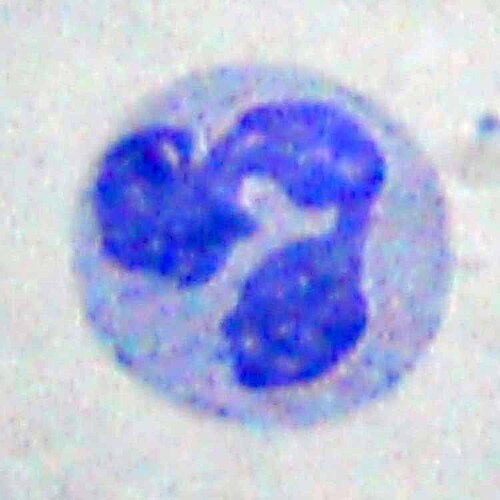
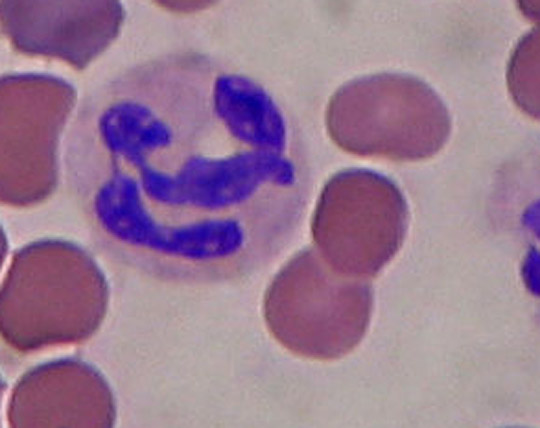
Claim The mature neutrophil nucleus is segmented into lobes, and segmentation matters for migration and function. · Confidence moderate
van Grinsven E et al., Nat Rev Immunol 2026: https://pubmed.ncbi.nlm.nih.gov/41233535/
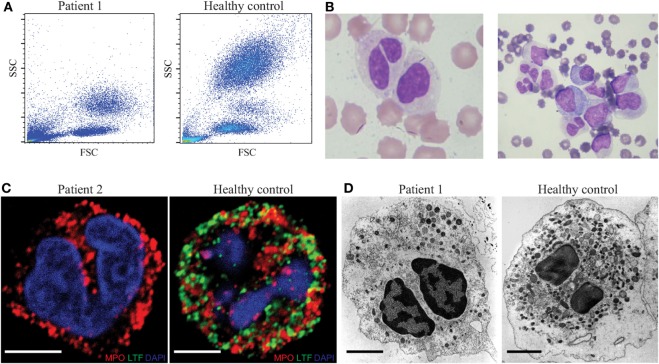
Claim Lamin B receptor shapes the lobed granulocyte nucleus; its loss produces the Pelger-Huet anomaly. · Confidence high
Hoffmann K et al., Chromosoma 2007: https://pubmed.ncbi.nlm.nih.gov/17245605/
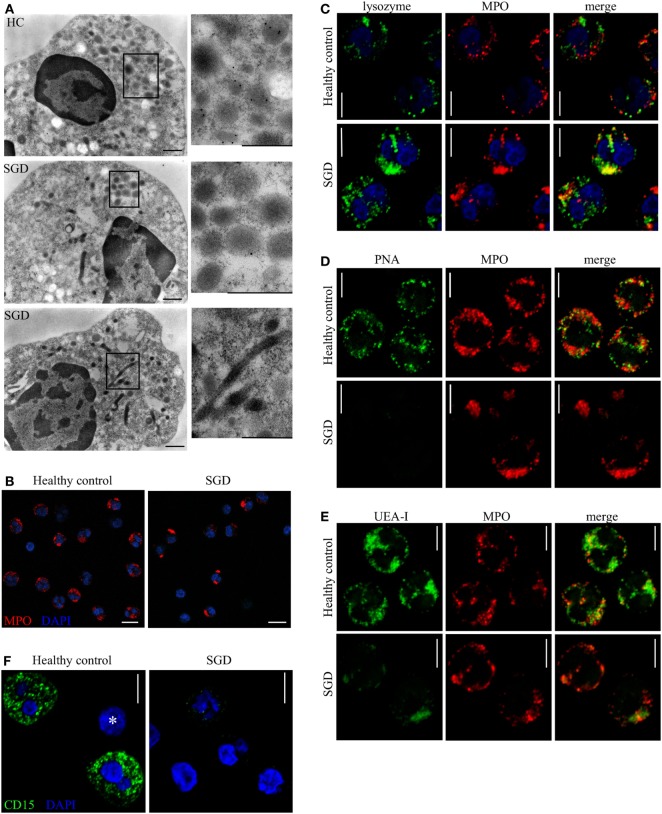
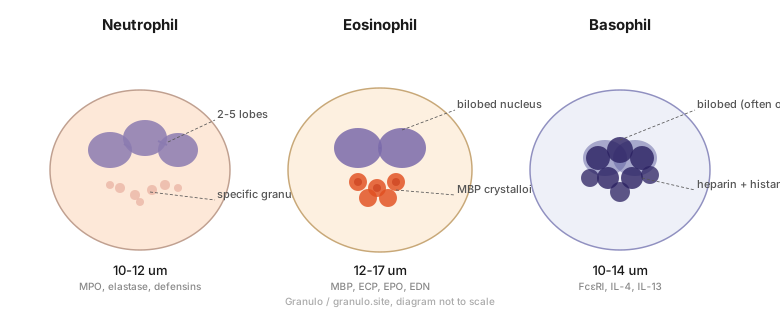
Claim Neutrophils hold four granule compartments: azurophilic (primary), specific (secondary), gelatinase (tertiary), and secretory vesicles. · Confidence high
Borregaard N, Immunity 2010: https://pubmed.ncbi.nlm.nih.gov/21094463/
Claim Defensin-rich azurophilic granules have their own secretory properties. · Confidence high
Faurschou M et al., Biochim Biophys Acta 2002: https://pubmed.ncbi.nlm.nih.gov/12183052/
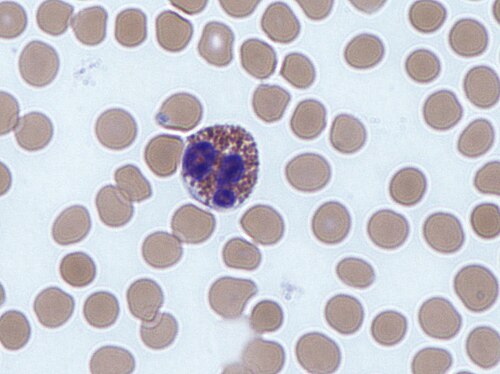
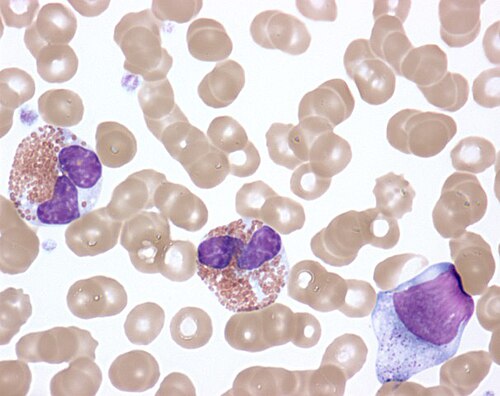
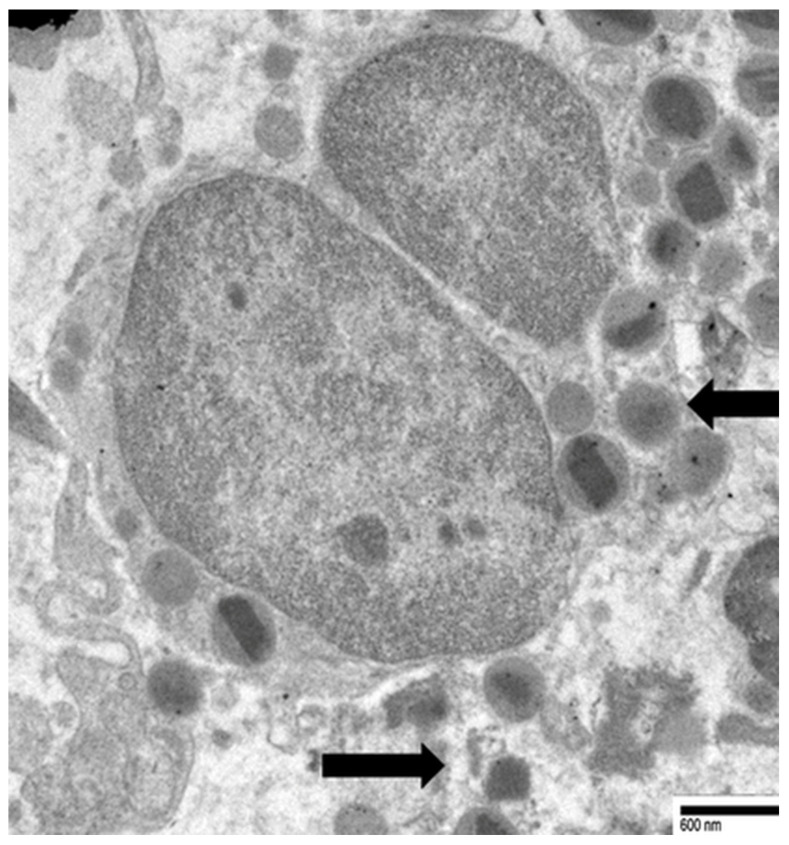
Claim Eosinophil granule proteins (MBP, ECP, EDN, EPO) have distinct structures and functions. · Confidence high
Acharya KR and Ackerman SJ, J Biol Chem 2014: https://pubmed.ncbi.nlm.nih.gov/24802755/
Claim Classical description of eosinophil structure and function. · Confidence high
Gleich GJ and Adolphson CR, Adv Immunol 1986: https://pubmed.ncbi.nlm.nih.gov/3538819/
Claim Charcot-Leyden crystals of galectin-10 promote type 2 immunity and can be dissolved by antibodies. · Confidence high
Persson EK et al., Science 2019: https://pubmed.ncbi.nlm.nih.gov/31123109/
Claim Basophil and mast cell ultrastructure differ despite shared granule chemistry. · Confidence high
Dvorak AM, J Histochem Cytochem 2005: https://pubmed.ncbi.nlm.nih.gov/15923353/
Claim Hypersegmented neutrophils are a blood film sign of vitamin B12 deficiency. · Confidence moderate
Stabler SP, N Engl J Med 2013: https://pubmed.ncbi.nlm.nih.gov/23301732/
Claim Toxic granules on the blood film point toward sepsis. · Confidence thin
Sato S, Juntendo Med J 2025: https://pubmed.ncbi.nlm.nih.gov/41255581/
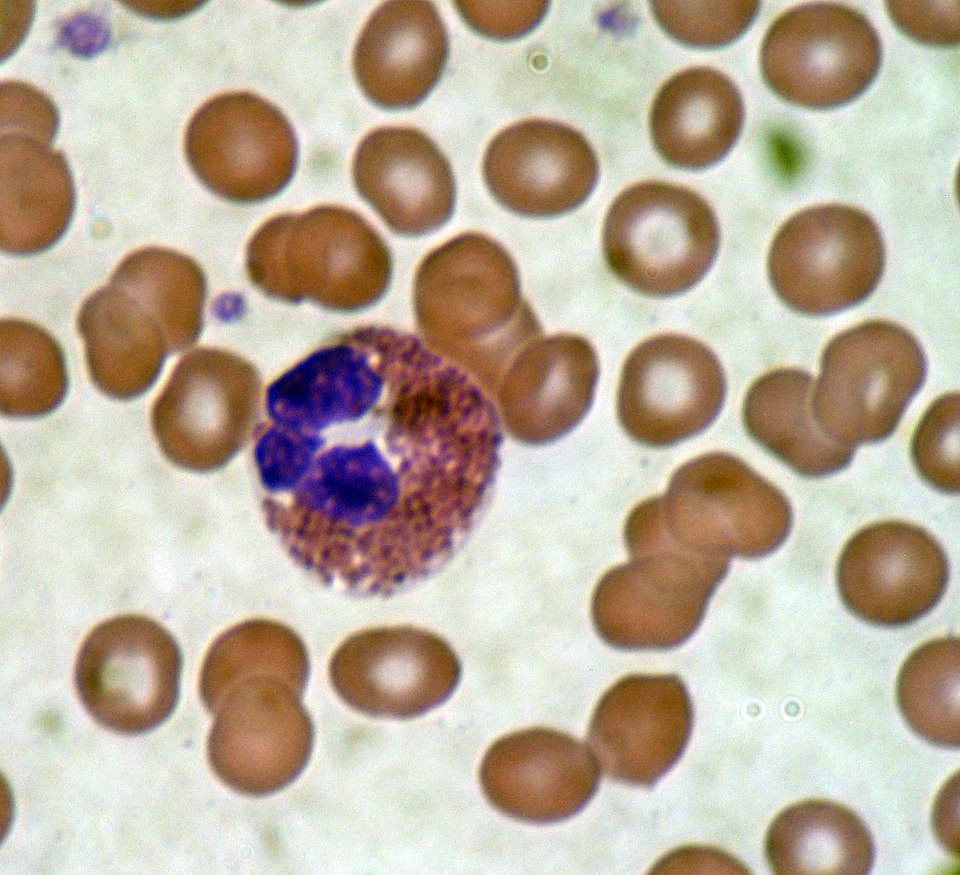
Claim Cell diameters on the smear (neutrophil 10 to 12 um, eosinophil 12 to 17 um, basophil 10 to 14 um), and Dohle bodies as rough ER inclusions. · Confidence thin
Bain BJ, Blood Cells, 5th ed. 2015 (textbook, no PubMed id)

Granulopoiesis

Claim Granulocytes arise from the stem cell through myeloid progenitors that commit step by step to each lineage. · Confidence high
Iwasaki H and Akashi K, Immunity 2007: https://pubmed.ncbi.nlm.nih.gov/17582345/
Claim In human marrow, granule types form in sequence as neutrophils mature from promyelocyte onward. · Confidence high
Bainton DF et al., J Exp Med 1971: https://pubmed.ncbi.nlm.nih.gov/4106490/
Claim Loss of C/EBP epsilon causes neutrophil specific granule deficiency. · Confidence high
Lekstrom-Himes JA et al., J Exp Med 1999: https://pubmed.ncbi.nlm.nih.gov/10359588/
Claim Eosinophil lineage committed progenitors exist in murine bone marrow. · Confidence moderate
Iwasaki H et al., J Exp Med 2005: https://pubmed.ncbi.nlm.nih.gov/15955840/
Claim Deleting a GATA-binding site in the GATA-1 promoter selectively abolishes the eosinophil lineage. · Confidence high
Yu C et al., J Exp Med 2002: https://pubmed.ncbi.nlm.nih.gov/12045237/
Claim Basophil and mast cell lineages pass through defined developmental checkpoints in adult mice. · Confidence moderate
Arinobu Y et al., PNAS 2005: https://pubmed.ncbi.nlm.nih.gov/16330751/
Claim TSLP drives basophil production independently of IL-3 and promotes type 2 inflammation. · Confidence moderate
Siracusa MC et al., Nature 2011: https://pubmed.ncbi.nlm.nih.gov/21841801/
Claim G-CSF and GM-CSF are the clinical growth factors that raise neutrophil counts. · Confidence high
Lieschke GJ and Burgess AW, N Engl J Med 1992: https://pubmed.ncbi.nlm.nih.gov/1375975/
Claim Erythroblast-derived lipid mediators program neutrophil development; single study. · Confidence thin
Koenis DS et al., Blood 2026: https://pubmed.ncbi.nlm.nih.gov/42520196/

The Differential and Reference Ranges

Claim The band count has limited clinical utility because of poor reproducibility between observers. · Confidence high
Cornbleet PJ, Clin Lab Med 2002: https://pubmed.ncbi.nlm.nih.gov/11933571/
Claim Eosinophil disorders and hypereosinophilia are defined and classified by consensus criteria. · Confidence high
Valent P et al., World Allergy Organ J 2012: https://pubmed.ncbi.nlm.nih.gov/23282419/
Claim A leukoerythroblastic blood picture has a range of causes, including marrow infiltration. · Confidence moderate
Tabares Calvache E et al., Int J Lab Hematol 2020: https://pubmed.ncbi.nlm.nih.gov/32562368/
Claim Adult reference ranges: neutrophils 1.8 to 7.7, eosinophils 0.04 to 0.44, basophils 0 to 0.1 (x10^9/L); severe neutropenia below 0.5 x10^9/L. · Confidence thin
Bain BJ, Blood Cells, 5th ed. 2015 (textbook, no PubMed id)

Disorders of Granulocytes

Claim Chronic granulomatous disease is caused by defects in the phagocyte NADPH oxidase and leads to recurrent bacterial and fungal infection. · Confidence high
Holland SM, Hematol Oncol Clin North Am 2013: https://pubmed.ncbi.nlm.nih.gov/23351990/
Claim In CGD, residual NADPH oxidase activity predicts survival. · Confidence high
Kuhns DB et al., N Engl J Med 2010: https://pubmed.ncbi.nlm.nih.gov/21190454/
Claim Hypereosinophilic syndromes are diagnosed, subtyped, and treated by a stepwise clinical approach. · Confidence high
Claim The FIP1L1-PDGFRA fusion tyrosine kinase drives a form of HES and is the target of imatinib. · Confidence high
Cools J et al., N Engl J Med 2003: https://pubmed.ncbi.nlm.nih.gov/12660384/
Claim Phagocyte defects cause a family of immunodeficiency diseases. · Confidence high
Lekstrom-Himes JA and Gallin JI, N Engl J Med 2000: https://pubmed.ncbi.nlm.nih.gov/11106721/
Claim ELANE, HAX1, and CSF3R mutations in severe congenital neutropenia have distinct clinical implications. · Confidence high
Zeidler C et al., Br J Haematol 2009: https://pubmed.ncbi.nlm.nih.gov/19120359/
Claim Inherited disorders of granulopoiesis are being reclassified by molecular mechanism. · Confidence moderate
Arreba-Tutusaus P et al., Exp Hematol 2026: https://pubmed.ncbi.nlm.nih.gov/41839250/
Claim Tumors hijack emergency granulopoiesis and reprogram neutrophils. · Confidence thin
Marinescu G et al., Mol Oncol 2026: https://pubmed.ncbi.nlm.nih.gov/41854302/
Claim TGF-beta polarizes tumor-associated neutrophils toward an "N2" phenotype in mice; the N1/N2 framework is contested. · Confidence moderate
Fridlender ZG et al., Cancer Cell 2009: https://pubmed.ncbi.nlm.nih.gov/19732719/
Claim Basophilia is a feature of chronic myeloid leukemia. · Confidence thin
no verified citation

Medications Acting on Granulocytes

Claim G-CSF reduced fever and neutropenia after chemotherapy for small-cell lung cancer. · Confidence high
Crawford J et al., N Engl J Med 1991: https://pubmed.ncbi.nlm.nih.gov/1711156/
Claim Mepolizumab (anti-IL-5) reduced exacerbations in severe eosinophilic asthma. · Confidence high
Pavord ID et al., Lancet 2012: https://pubmed.ncbi.nlm.nih.gov/22901886/
Claim Mepolizumab given intravenously or subcutaneously benefited patients with severe eosinophilic asthma. · Confidence high
Ortega HG et al., N Engl J Med 2014: https://pubmed.ncbi.nlm.nih.gov/25199059/
Claim Benralizumab (anti-IL-5 receptor alpha) reduced exacerbations in severe uncontrolled asthma. · Confidence high
Bleecker ER et al., Lancet 2016: https://pubmed.ncbi.nlm.nih.gov/27609408/
Claim Dupilumab improved eosinophilic esophagitis in adults and adolescents. · Confidence high
Dellon ES et al., N Engl J Med 2022: https://pubmed.ncbi.nlm.nih.gov/36546624/
Claim Imatinib produced molecular remission in FIP1L1-PDGFRA positive disease. · Confidence high
Klion AD et al., Blood 2004: https://pubmed.ncbi.nlm.nih.gov/14504092/
Claim Glucocorticoids induce eosinophil apoptosis. · Confidence moderate
Adachi T et al., J Allergy Clin Immunol 1996: https://pubmed.ncbi.nlm.nih.gov/8977529/
Claim DNase I (dornase alfa) is being explored against NET-driven disease. · Confidence thin
no verified citation

Methods and Stains

Claim The chloroacetate esterase (Leder) stain marks neutrophil lineage cells and mast cells in paraffin sections. · Confidence high
Leder LD, Klin Wochenschr 1964: https://pubmed.ncbi.nlm.nih.gov/14233286/
Claim Myeloperoxidase detection by immunohistochemistry, cytochemistry, and flow cytometry identifies myeloid cells. · Confidence moderate
Ahuja A et al., Indian J Hematol Blood Transfus 2018: https://pubmed.ncbi.nlm.nih.gov/29622864/
Claim The basophil activation test needs careful reporting when basophils do not respond (non-releasers). · Confidence moderate
Ebo DG et al., Allergy 2026: https://pubmed.ncbi.nlm.nih.gov/41914639/
Claim Model systems for neutrophil research include cell lines, animals, and stem cell derived neutrophils. · Confidence moderate
Hamdan S et al., Immunol Cell Biol 2026: https://pubmed.ncbi.nlm.nih.gov/42495811/
Claim Wright-Giemsa and H&E morphology, toluidine blue metachromasia, and the DHR assay for CGD. · Confidence thin
Bain BJ, Blood Cells, 5th ed. 2015 (textbook, no PubMed id)

Classic Papers

Paper Leder 1964 · Why it matters Chloroacetate esterase stain for neutrophils and mast cells
Paper Bainton et al. 1971 · Why it matters Granule formation during human neutrophil maturation
Paper Gleich and Adolphson 1986 · Why it matters Eosinophil structure and function
Paper Crawford et al. 1991 · Why it matters G-CSF against chemotherapy neutropenia
Paper Jose et al. 1994 · Why it matters Discovery of eotaxin
Paper Cools et al. 2003 · Why it matters FIP1L1-PDGFRA and imatinib in HES
Paper Brinkmann et al. 2004 · Why it matters First description of NETs
Paper Segal 2005 · Why it matters How neutrophils kill microbes
Paper Rothenberg and Hogan 2006 · Why it matters The eosinophil
Paper Ley et al. 2007 · Why it matters The leukocyte adhesion cascade
Paper Borregaard 2010 · Why it matters Neutrophils, from marrow to microbes
Paper Pillay et al. 2010 · Why it matters Neutrophil lifespan of 5.4 days
Paper Papayannopoulos et al. 2010 · Why it matters Elastase and MPO in NET formation
Paper Li et al. 2010 · Why it matters PAD4 is essential for NETs
Paper Hakkim et al. 2010 · Why it matters NET degradation and lupus nephritis
Paper Kolaczkowska and Kubes 2013 · Why it matters Neutrophil recruitment and function
Paper Martinod et al. 2013 · Why it matters PAD4 and deep vein thrombosis
Paper Persson et al. 2019 · Why it matters Charcot-Leyden crystals drive type 2 immunity
Paper Middleton et al. 2020 · Why it matters NETs in COVID-19 immunothrombosis

Recent Findings (Web Scan 2026-09-09)

Claim NETs act across tumor types in cancer progression. · Confidence high
Shahzad et al., Nat Rev Cancer 2025: https://www.nature.com/articles/s41568-025-00888-7
Claim NETs drive sepsis-induced coagulopathy. · Confidence moderate
Hu J et al., Mol Med Rep 2026: https://pubmed.ncbi.nlm.nih.gov/42099249/
Claim NETs are a central player across liver diseases. · Confidence moderate
Wang H et al., Hepatol Commun 2026: https://pubmed.ncbi.nlm.nih.gov/42190269/
Claim NETs are implicated in central nervous system disease; human mechanistic evidence is thin. · Confidence thin
Zhu J et al., Curr Neuropharmacol 2026: https://pubmed.ncbi.nlm.nih.gov/41133829/
Claim NETs are a potential therapeutic target in inflammatory bowel disease (systematic review and meta-analysis). · Confidence moderate
Claim NETs drive gastrointestinal cancer; single review. · Confidence thin
Claim Single-cell transcriptomics maps granulocytes in asthma and atopic disease. · Confidence thin

Recent Findings (Web Scan 2026-09-10)

Claim NETs span the course of coronary heart disease, from atherosclerosis to reperfusion injury. · Confidence moderate
Hu J et al., J Pathol 2026: https://pubmed.ncbi.nlm.nih.gov/42703890/
Claim NETs play context-dependent roles in colorectal cancer, from inflammatory carcinogenesis to liver metastasis. · Confidence moderate
Xu D et al., J Transl Med 2026: https://pubmed.ncbi.nlm.nih.gov/42687197/
Claim Chemotherapy can reawaken dormant pancreatic cancer cells in the liver through NETs induced by senescent hepatocytes; one study. · Confidence thin
Shi S et al., Cancer Res 2026: https://pubmed.ncbi.nlm.nih.gov/42696464/
Claim Sustained NETs cause fracture nonunion; one study. · Confidence thin
Xie W et al., Sci Transl Med 2026: https://pubmed.ncbi.nlm.nih.gov/42685150/
Claim Clearing NETs in sequence is proposed as precision therapy for sepsis; preclinical. · Confidence thin
Wang N et al., Sci Adv 2026: https://pubmed.ncbi.nlm.nih.gov/42685208/
Claim Mitochondrial reprogramming is proposed to shape NETs in COPD and asthma. · Confidence thin
Xu P et al., Front Immunol 2026: https://pubmed.ncbi.nlm.nih.gov/42694611/
Claim Eosinophils split into distinct subsets by single-cell and spatial transcriptomics in a mouse model of virus-exacerbated allergic asthma. · Confidence thin
Veltri AJ et al., J Leukoc Biol 2026: https://pubmed.ncbi.nlm.nih.gov/42707006/
Claim The accepted "normal" blood eosinophil range is being questioned; editorial. · Confidence thin
Gupta P et al., Eur Respir J 2026: https://pubmed.ncbi.nlm.nih.gov/42710916/
Claim A PRKG2::PDGFRA fusion myeloid neoplasm with basophilia remitted completely on imatinib; single case, consistent with PDGFRA fusions as imatinib targets. · Confidence thin
Maddox KA et al., Acta Haematol 2026: https://pubmed.ncbi.nlm.nih.gov/42700436/
Claim Mepolizumab was tested against mucus plugs in severe eosinophilic asthma with and without bronchiectasis; pilot study. · Confidence thin
Campisi R et al., ERJ Open Res 2026: https://pubmed.ncbi.nlm.nih.gov/42707946/

Recent Findings (Web Scan 2026-09-11)

Claim Elevated neutrophil count is a causal risk factor for endometriosis by Mendelian randomization; replication needed. · Confidence thin
Li M et al., Int J Womens Health 2026: https://pubmed.ncbi.nlm.nih.gov/42724615/
Claim NETs drive fibroblast activation and collagen deposition in pulmonary fibrosis. · Confidence moderate
Chen Z et al., Int Immunopharmacol 2026: https://pubmed.ncbi.nlm.nih.gov/42721508/
Claim The S1P-TREM2 axis protects immunosuppressive tumor-associated neutrophils from ferroptosis, promoting hepatocellular carcinoma progression. · Confidence moderate
Claim Tozorakimab (anti-IL-33) prevented COPD exacerbations in a NEJM trial; IL-33 drives both eosinophilic and neutrophilic airway inflammation. · Confidence moderate
Sciurba FC et al., N Engl J Med 2026: https://pubmed.ncbi.nlm.nih.gov/42708515/
Claim Viral-pattern-activated nasal fibroblasts secrete chemokines that recruit eosinophils in chronic rhinosinusitis with nasal polyps. · Confidence moderate
Shin C et al., Int Forum Allergy Rhinol 2026: https://pubmed.ncbi.nlm.nih.gov/42716477/
Claim Baseline blood eosinophil count and nasal polyp comorbidity predict response to anti-IL-5 biologics in severe eosinophilic asthma. · Confidence moderate
Harman E et al., J Asthma 2026: https://pubmed.ncbi.nlm.nih.gov/42723568/
Claim Monomeric hapten terminates IgE-triggered calcium entry in basophil-like cells by breaking the STIM1-Orai1 complex; early mechanistic data. · Confidence thin
Suzuki R et al., Biochem Biophys Res Commun 2026: https://pubmed.ncbi.nlm.nih.gov/42700582/

Latest 8

2026-09-09 · Science 2004
Neutrophil extracellular traps kill bacteria.

Brinkmann et al. first description of NETs: extracellular chromatin with granule proteins that traps and kills bacteria.

2026-09-09 · Immunity 2010
Neutrophils, from marrow to microbes.

Borregaard review of neutrophil production, granule populations and their mobilization, and killing mechanisms.

2026-09-09 · Annual Review of Immunology 2006
The eosinophil.

Rothenberg and Hogan review of eosinophil development, IL-5 and eotaxin biology, granule proteins, and eosinophilic disease.

2026-09-10 · Nature Reviews Immunology 2013
Protective and pathological roles of mast cells and basophils.

Voehringer review separating basophil and mast cell functions in host defense and allergy.

2026-09-09 · Blood 2010
In vivo labeling with 2H2O reveals a human neutrophil lifespan of 5.4 days.

Pillay et al. deuterium labeling in healthy volunteers gave a circulating neutrophil lifespan of 5.4 days, far longer than older estimates.

2026-09-09 · Nature Reviews Immunology 2013
Neutrophil recruitment and function in health and inflammation.

Kolaczkowska and Kubes review of the recruitment cascade, effector functions, and resolution.
2026-09-09 · PNAS 2010
Impairment of neutrophil extracellular trap degradation is associated with lupus nephritis.

Hakkim et al. found a subset of SLE patients whose serum fails to degrade NETs, associated with lupus nephritis.

2026-09-09 · PNAS 2013
Neutrophil histone modification by peptidylarginine deiminase 4 is critical for deep vein thrombosis in mice.

Martinod et al. PAD4-deficient mice form few NETs and are protected from deep vein thrombosis.